



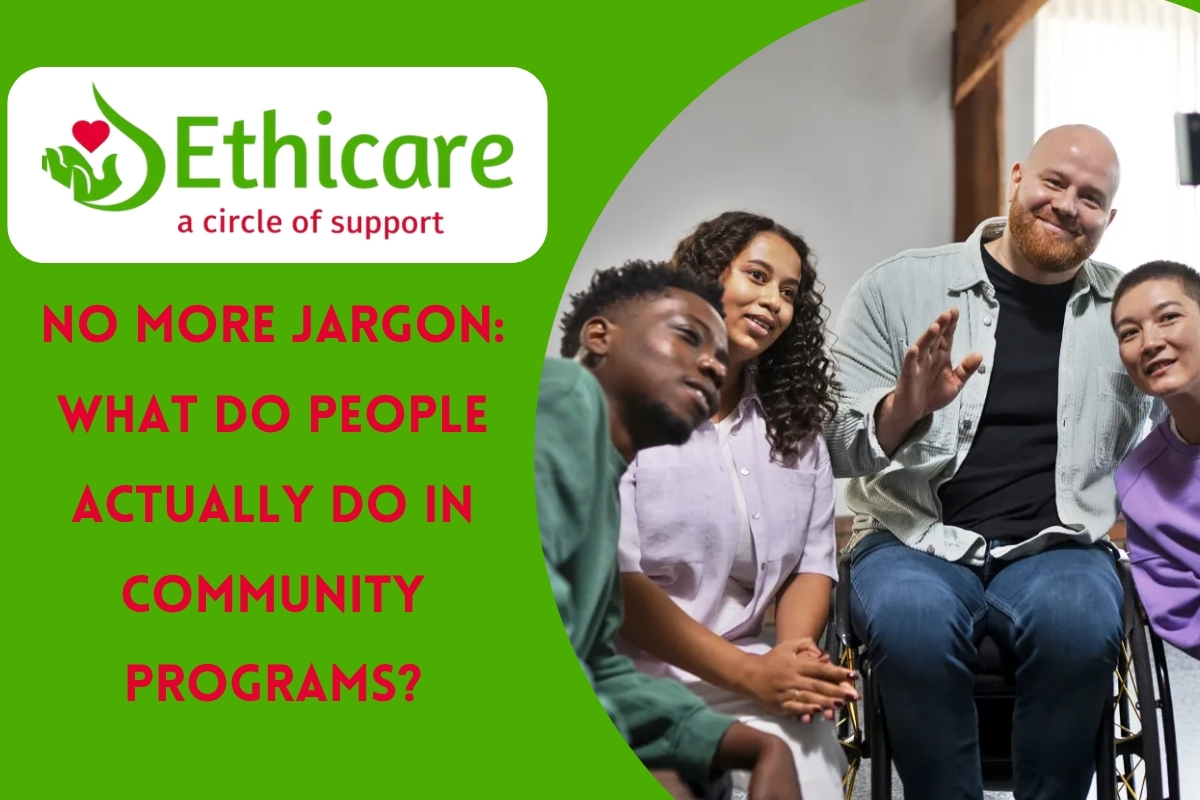
When you read through NDIS paperwork, you see phrases like “social and civic inclusion” everywhere. For a participant or a guardian, that industry language doesn’t explain what happens on an actual Tuesday morning.
People don’t want to sign up for policy words; they want to know how an outing actually works. At Ethicare Supports, we strip away the technical confusion to design real, enjoyable days out in the local neighborhood.
1. The Daily Reality of Community Access Perth
At its core, community support is simply about getting out of the front door safely and comfortably. A friendly support worker arrives at your home, assists with preparation, and accompanies you out into public spaces.
When you break down Community Access Perth programs, the actual day-to-day activities look like this:
- Slowing Down at Cafes: Ordering a favorite drink, practicing money handling, and chatting with local staff.
- Essential Routine Trips: Going to local banks, visiting hair salons, or attending medical check-ups confidently.
- Exploring Quiet Spaces: Strolling through accessible community parks, local libraries, or neighborhood shopping centers.
2. Building Real Skills with Community Participation Perth
Going out isn’t just about passing the time; it is about building the skills to feel independent over time. Active Community Participation Perth focuses on helping participants try new hobbies, make friends, and learn practical life skills.
A dedicated local team helps participants get involved in:
- Adaptive Local Sports: Joining inclusive bowling groups, swimming sessions, or local community walking clubs.
- Creative Learning Classes: Attending neighborhood art workshops, pottery sessions, or group music classes.
- Public Transport Practice: Learning to read local timetables and safely navigate the Transperth network.
- Volunteer Opportunities: Giving back to the community at local animal shelters or community gardens to build work readiness.
3. Turning Casual Outings Into Real Life Milestones
We look at what a participant already loves doing and build a plan around that specific passion. An outing shouldn’t feel forced or uncomfortable; it should feel like hanging out with a trusted peer who has your back.
Here is how we turn normal hobbies into capacity-building goals:
- The Food Lover: We don’t just buy lunch—we research the venue, look at the menu, and practice ordering independently.
- The Fitness Enthusiast: We head to local gyms or swimming pools to build physical stamina and routine.
- The Gaming Fan: We visit local pop-culture hubs or arcade centers to practice social interactions over shared interests.
4. Overcoming the Fear of Crowded Public Places
For many guardians, the biggest worry is how a participant will cope if an environment gets too loud or overwhelming. Our staff are trained to look ahead, plan around sensory needs, and keep stress levels as low as possible.
We use practical safety steps to keep outings calm and positive:
- Off-Peak Planning: Choosing quieter morning hours to visit shopping centers or popular local landmarks.
- Sensory Mapping: Identifying quiet seating areas, exit paths, and calm zones before we even arrive at a venue.
- Constant Reassurance: Moving at the participant’s exact pace without any rush, pressure, or strict timetables.
5. Local Activities Across Joondalup, Yanchep, and Mandurah
True inclusion shouldn’t require driving into the central city just to access a decent program. Support plans must be mapped out directly inside the unique coastal and regional suburbs where participants live.
Local community support plans are customized across regions to include:
- Northern Coastal Trips: Enjoying sensory-friendly walks and accessible outdoor park spaces through Community Access Yanchep.
- Northern Suburb Hubs: Visiting local shopping complexes or community center art programs via Community Access Joondalup.
- Southern Estuary Outings: Accessing local markets, foreshore paths, and reliable community programs through Disability Support Mandurah.
Wondering how these community routines adapt during major personal milestones or home changes? Read our next guide on Assist in Life Stage Transition Perth and accommodation options.
Frequently Asked Questions
1. What if a participant experiences sensory overload during an outing?
Our support workers are fully trained to spot early anxiety signs and immediately transition to quiet, safe spaces.
2. Do we have to pay for the support worker’s fuel?
No. Vehicle transport costs during your scheduled shifts are managed directly through your allocated NDIS funding pathways.
3. Can community outings be scheduled for evening social events?
Yes. We carefully match staff to accommodate evening concerts, local theater trips, dinners, or weekend sporting matches.
4. How do you choose the activities for each week?
The participant completely chooses their own activities based on their personal hobbies, passions, and weekly lifestyle goals.
5. Can a family member come along on the outings?
Absolutely. We welcome families to join in until the participant feels completely comfortable alone with their worker.
Reach Out to Ethicare Supports
Stepping into the community becomes an exciting, stress-free experience when you have the right person walking right beside you. Get in touch with the team at Ethicare Supports today!
- Office Hub: Level 2, Building C, 355 Scarborough Beach Rd, Osborne Park WA 6017
- Phone Enquiries: 865580700 | Mobile Intake: 450641449
- Email Care Team: info@ethicares.com.au
- View Our Updates: Facebook | Instagram


